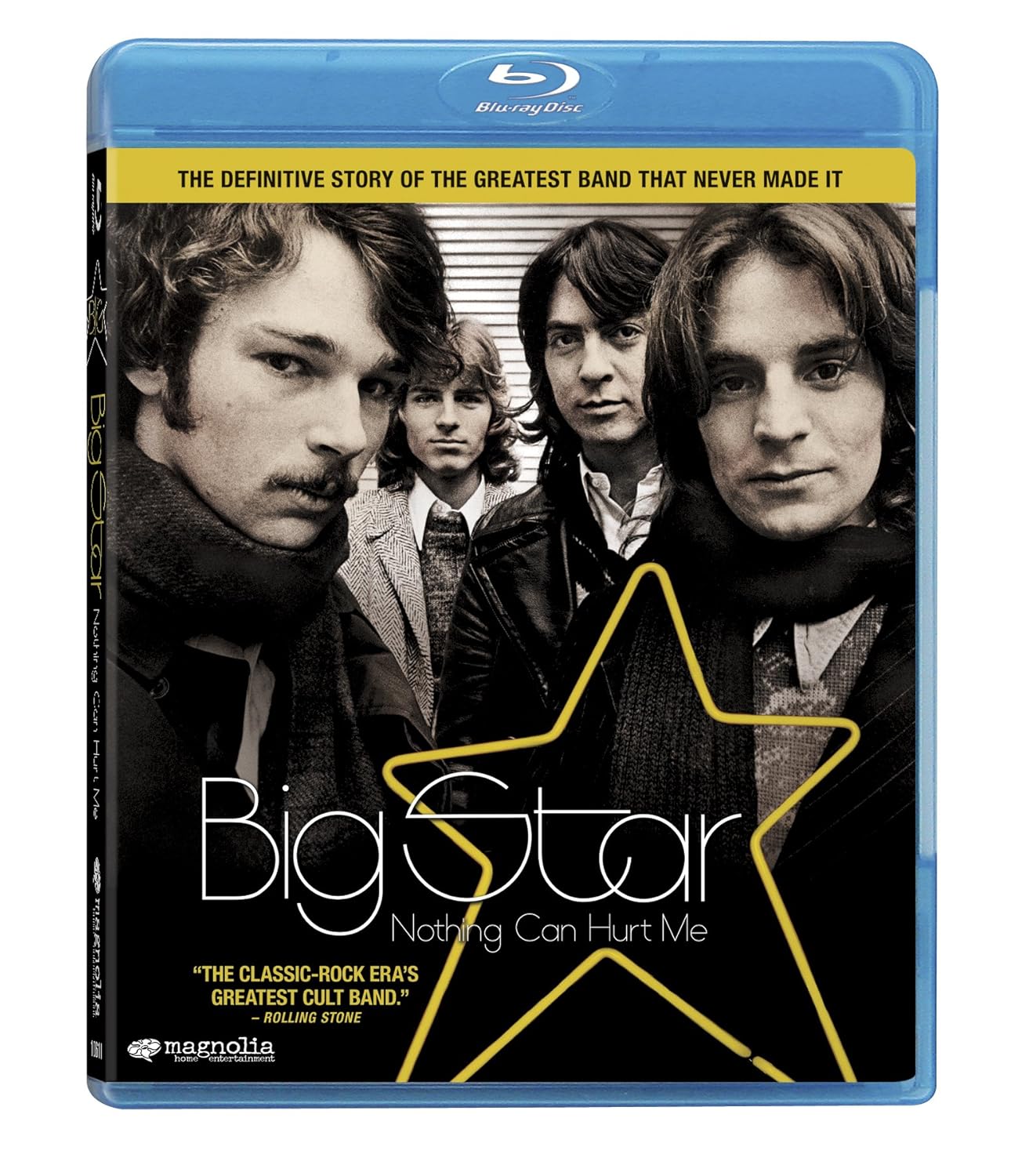
DVD/Blu-ray Review “Big Star: Nothing Can Hurt Me”

If you didn’t see it during its premier or the follow up concert, now is your chance to own this very thorough documentary on one of the most important bands in the history of power pop. Big Star is better known for their massive influence than hit records or performances. Born in the shadow of the Memphis rock scene of the 1960s it couldn’t catch a break, despite critical acclaim and the legendary Alex Chilton and Chris Bell combination.

The first half concentrates on the Memphis scene at Ardent Records, and studio founder and engineer John Fry giving the group a chance. It seems like a Southern fried Haight Ashbury at the time, with interesting interviews of trippy photographer William Eggleston, Fry and others close to the band. It goes into details on both Chilton and Bell’s background, but often leaves you with more questions than answers. The band interviews are sparse and mainly audio (with photos) and include bassist Andy Hummel and drummer Jody Stephens. The bottom line for Big Star’s commercial failure at the time is clearly record distribution and promotion.

The second half of the film talks mainly about the influence the band’s songs had with the next generation of musicians. How the Posies (Ken Stringfellow and Jon Auer) reformed the band and got Chilton to play again till his death in 2010. Musicians Chris Stamey, Mike Mills (REM) and Paul Westerberg (The Replacements) are a few of the many interviews with fans who championed Big Star, a band that managed to find their audience decades later. The extra features on the disc include more details on Bell and Chilton’s childhood, as well as “Big Star in the Studio,” another interview with Fry about the band’s recording style. For the non-fan I would recommend listening to the band’s music first, but for the initiated this is a validation of the greatness that was Big Star.

Amazon

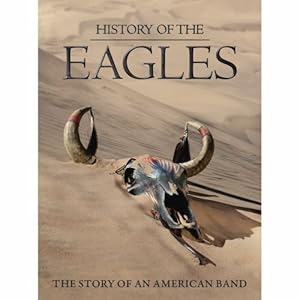
Movie Review: “History Of The Eagles” DVD

Its hard to imagine how many bands were involved in the creation of the Eagles… it’s a who’s who of country-rock (JD Souther, Bob Seger, Kenny Rogers, Jackson Browne, Linda Ronstadt, etc.). And getting that first album out (with producer Glyn Johns) wasn’t easy, but effectively created the Eagles sound. “Take It Easy” was called the song of the times, a contrast to the turmoil of the era (Vietnam, Watergate, etc.). The Western California sound was new and fresh and the Eagles thrived in it.

The film gathers amazing rehearsal footage and interviews about the bands history. “It was the 70’s, drugs were everywhere…” Glen Frey mentions, yes – this documentary pulls no punches either, showing rare backstage footage of “the 3rd encore” where the groupies were willing and ready to party. Once the band hired Bill Szymczyk(producer) and Don Felder(guitarist) the band hit their stride. Adding Joe Walsh shifted the band’s sound to a full rock and roll sound, so by 1977 the Eagles were considered the most popular and successful band of the decade. Like The Beatles, you had four strong alpha musicians (Felder, Frey, Walsh, Henley) and something had to break. After the 1980 tour it all fell apart, but then we go through the 1994 reunion and the depth of each members post-Eagles catalog. Highly Recommended even if you aren’t a big Eagles fan.

Amazon

Film Review: Paul Williams, Still Alive

Yes, I fondly remember when I was a kid and Paul Williams was everywhere on TV. I never was a big fan of the actor, but loved his music whole heartedly. He was one of the most influential songwriters of the 70s next to Burt Bacharach. Then he vanished with the end of decade and I always wondered what happened to him.

Well that’s partly what the movie is about. Director Stephen Kessler inserts himself in the documentary as a starstruck fan trying to convince Williams that he is a worthy subject to film. And he is definitely worthy of a bio with all the amazing music and stuff he’s done. However the film barely touches this and is more of a documentary of how Kessler became Williams “friend.” He follows him around where Williams makes his rounds as an oldies act and uncomfortably probes Williams’ past drug problems in the 80’s and fall from celebrity status. Other awkward moments when Williams clearly doesn’t want to be on camera takes up too much of the films running time. When things get slow, Kessler gives us some great archival clips and musical performances to keep us interested.

So I recommend this film to anyone who loved Williams with a simple caveat, this isn’t a proper bio but a candid look at his life now and that he’s a better man without all that celebrity crap. Rent it on Amazon or Buy the DVD.