Power Pop: The Essential Guide to the Sound, the Bands, and the Legacy
From Badfinger to Jellyfish to today’s rising stars, here’s why power pop still matters—and why it hooked me for life.
Introduction to Power Pop
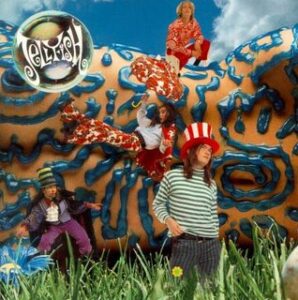
Power pop is the sound of melody and muscle colliding—catchy choruses, chiming guitars, and hooks that refuse to leave your head. While bands like Badfinger and The Raspberries first caught my ear, the album that truly changed everything for me was Jellyfish’s Bellybutton. It wasn’t just another rock record—it was a technicolor explosion of harmonies and clever songwriting that revealed a whole hidden world of music I hadn’t known existed.
A Brief History of Power Pop
The phrase “power pop” was coined in the late 1960s by Pete Townshend of The Who, but the genre really took shape in the 70s. Badfinger and The Raspberries combined Beatlesque harmonies with punchy rock arrangements, laying the groundwork for generations to come.
By the late 70s and early 80s, bands like Cheap Trick proved power pop could conquer arenas, while cult favorites like Big Star became the genre’s spiritual backbone. In the 90s, labels like Not Lame Records and bands like Jellyfish sparked a revival, introducing fans to a vibrant underground scene.
 For me, those Not Lame newsletters were a lifeline. They felt like secret dispatches, guiding me to obscure bands and shaping my taste. Attending the International Pop Overthrow (IPO) festivals in New York sealed the deal—I wasn’t just a fan, I was part of a community. By 2006, with the scene quieter, I launched Powerpopaholic to keep that flame alive and help connect like-minded fans.
Iconic Power Pop Bands & Artists
- Badfinger — the original power pop architects.
- Jellyfish — dazzling production and songwriting that redefined the genre.
- Cheap Trick — proof that power pop could be both cult and mainstream.
And sometimes, power pop sneaks into the wider world. Fountains of Wayne’s “Stacy’s Mom” is the perfect example of a hook-heavy anthem that crossed over without compromise.
The Sound of Power Pop
At its core, power pop is about immediacy: big hooks, ringing guitars, sharp melodies. But here’s the truth—it doesn’t have to be “Beatlesque.” That’s one of the biggest misconceptions about the genre. While The Beatles were an early roadmap, power pop has always drawn from punk, glam, new wave, and indie rock. Its strength lies in diversity, not imitation.
The Power Pop Scene & Community
The scene has always thrived on connection. At IPO festivals, I’ve spent as much time chatting with artists after shows as I have watching them on stage. That intimacy—where fans and bands mingle freely—is worlds apart from arena rock’s velvet rope.
One of my proudest moments was championing The Turnback in 2011. IPO promoter David Bash booked them based on my recommendation, giving them a bigger platform. That moment reminded me: being a fan and advocate isn’t passive—it can shape the genre’s future.
Underrated Power Pop Gems
Just a few quick examples:
- Nick Piunti — 13 in My Head: Melodic craftsmanship and heartfelt lyrics that rival the classics.
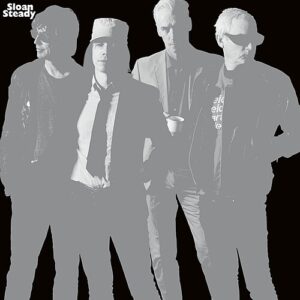
- Sloan — Steady: A reminder that veteran bands can still deliver sharp, hook-filled records.
Every year, my Top 25 list features albums like these—records that fly under the mainstream radar but define what makes power pop essential.
Power Pop Today
Far from fading, the scene keeps producing fresh talent. Artists like Nick Frater, Iain Hornal, Joe Giddings, and The Toxhards are carrying the torch in new directions. Thanks to Bandcamp, boutique labels, and grassroots festivals, it’s easier than ever to discover the next wave of power pop.
Why Power Pop Still Matters
Power pop may never dominate the charts, but that’s its strength. Free from trends, it’s music that values melody and craft above all else.
For me, it’s more than just a genre. It’s the reason I started Powerpopaholic back in 2006. It’s been a community, a passion, and a lifelong soundtrack. If you’re new, start with the classics, dive into underrated gems, and explore today’s bands. You might just find—like I did with Bellybutton—that power pop isn’t just music. It’s a way of listening, a way of connecting, and maybe even a way of life.