
Various Artists “Play On: A Raspberries Tribute”
We all know The Raspberries as the template for what a 1970s power pop band should be—tight harmonies, big guitars, and hooks that refuse to quit. Sure, Badfinger may have coined the term first, but The Raspberries perfected the formula. Their catalog has inspired generations of melodic rockers, and while tributes have come before, Play On: A Raspberries Tribute hits differently—it’s a love letter from the artists who truly get it.
Right from the start, Rick Springfield injects new life into “Go All The Way,” making it sound as vital as ever. In a different take, Vicki and Debbi Peterson (Bangles) do a solid “I Wanna Be With You,” and the Lemon Twigs crush “Let’s Pretend.” Plenty of muscle with Eric Dover’s version of “Ecstasy” and Shoes cover “Overnight Sensation (Hit Record)” with technical perfection. With 37 tracks, and a wide variety of artists, it really breathes fresh life into most of these classic songs.
Credit goes to producers Ken Sharp and Fernando Perdomo, who’ve assembled a dream lineup—chart-toppers, cult heroes, and rising indie names—all celebrating the band that nailed the perfect blend of Beatlesque melody and driving American rock. Play On doesn’t just revisit the Raspberries; it reminds us why they still matter. Super highly recommended.

Think Like A Key Music | Amazon
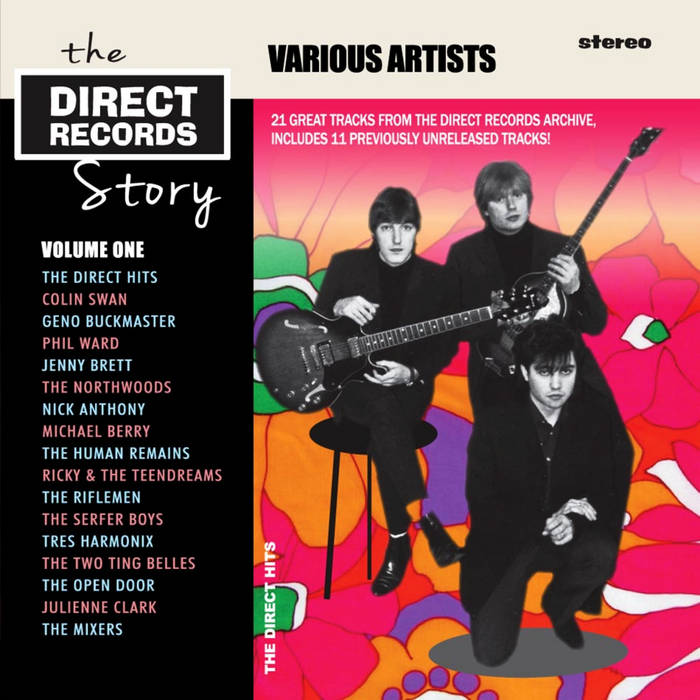
Various Artists “The Direct Records Story”
What would you do if you stumbled across a dusty box full of DIY cassette tapes from the early ’80s? Direct Records did just that—reviving a treasure trove of Mod, Pop, Beat, and Psychedelic gems that never made it past local scenes and college radio. The label’s vast archive captures a lost era of post-punk melody chasers and jangly romantics, and thanks to Kool Kat Musik, these songs finally have a second life across three volumes.
Most of these acts are unknown for a reason, though a few cuts capture genuine spark. Others feel more like demos stuck in nostalgia mode, imitating the past rather than reinventing it. Volumes 2 and 3 stretch into the late ’80s and early 2000s with mixed results. There are nuggets to be found, but you’ll have to dig through a fair bit of filler to uncover them. But for diehard pop archaeologists, the digging is half the fun.
